Is It a Plumbing Emergency or Can It Wait?
How urgent a plumbing problem is depends on its potential consequences. Key factors include whether the water can be shut off, whether the damage is continuing to spread, whether the issue affects a single fixture or the entire plumbing system, and whether there is a risk of water contamination or a loss of water or sewer service.
Call For Help Immediately
- you can’t shut off the water;
- a leak is getting worse quickly or water is spreading through the room;
- sewage is backing up through drains or the toilet;
- water is reaching outlets, wiring, or electrical appliances;
- a pipe or water heater has burst;
- plumbing fixtures can’t be used safely.
Request Service for an Upcoming Date
- a minor leak keeps coming back;
- clogs occur regularly;
- water is draining more slowly from several fixtures;
- water pressure has noticeably dropped for no apparent reason;
- the water heater is working inconsistently or making unusual noises;
- the water continues to have an unusual color or odor.
Schedule An Inspection
- your plumbing system is old and hasn’t been inspected in years;
- before a kitchen or bathroom remodel – to check whether pipes need replacement;
- before installing a new water heater or fixtures – to check existing connections;
- when buying a home – to identify leaks, corrosion, and other hidden problems before closing.
Signs You Need a Plumber Right Away
Seven warning signs that call for prompt diagnosis and repair:
Water Is Leaking or Appearing Where It Shouldn’t
Leaks are one of the most common signs of a plumbing problem, but not all leaks are equally serious. For example, a leaking faucet or connection under the sink may not require an emergency call, but it should still be repaired soon. Over time, even a small leak can damage cabinets, flooring, and finishes and create conditions for mold growth.
A leak from a pipe, water heater, or around the base of a toilet should be addressed as soon as possible. It may indicate damage to the fixture, pipe, or connection and can quickly lead to a larger leak. In these cases, it’s best to call a plumber promptly to identify the source and reduce the risk of extensive repairs and property damage.
- Shut off the water to the affected fixture or area. If you can’t, turn off the home’s main water supply.
- If the water heater is leaking, turn off its power supply.
- If water is leaking around the base of the toilet, don’t use it until the problem is repaired.
Several Drains Are Slow, Clogged, or Gurgling
If water is draining slowly from just one sink or shower, the cause is often hair, food debris, grease, or soap buildup. You can try clearing the drain with a plunger or removing debris from the trap.
Call a plumber if clogs keep coming back, several drains are slow at the same time, or the problem returns soon after you clear it yourself. An unpleasant odor coming from the drains is another warning sign. These issues may point to a clogged sewer line, damaged piping, or another problem that requires professional drain cleaning.
They don’t always address the underlying cause of a clog and may damage certain types of pipes, as well as make subsequent repairs more difficult.
Drain Backup or a Persistent Sewer Smell
A sewer odor coming from a single drain doesn’t always require an emergency plumber. But if the smell persists, comes from several drains, or is accompanied by slow drainage, the system should be inspected.
Call for immediate help if sewage is backing up into a sink, shower, or toilet. This may indicate a serious clog or a problem with the sewer line. Avoid using plumbing fixtures in this situation, as running more water can worsen the backup and cause sewage to overflow into the room.
Water Pressure Is Low Throughout the House
Low water pressure throughout the house may be caused by a hidden leak, clogged or corroded pipes, a faulty pressure regulator, a partially closed shutoff valve, or an issue with the municipal water supply. In homes with a pump system, the pump itself may also be the cause.
First, confirm that the problem affects the entire house and check for any reported water service interruptions. If the pressure doesn’t return to normal or continues to drop over time, contact a plumber to inspect the pipes. Early diagnosis can help prevent major leaks and damage to property or plumbing equipment.
Your Water Heater Is Leaking, Noisy, or Unreliable
Water heater problems rarely appear without warning. Common signs include fluctuating water temperature, unusually slow heating, or hot water running out too quickly. Popping, cracking, hissing, or loud humming noises during operation are also reasons to have the unit inspected. Early repairs are often far less expensive than replacing a water heater after a major failure.
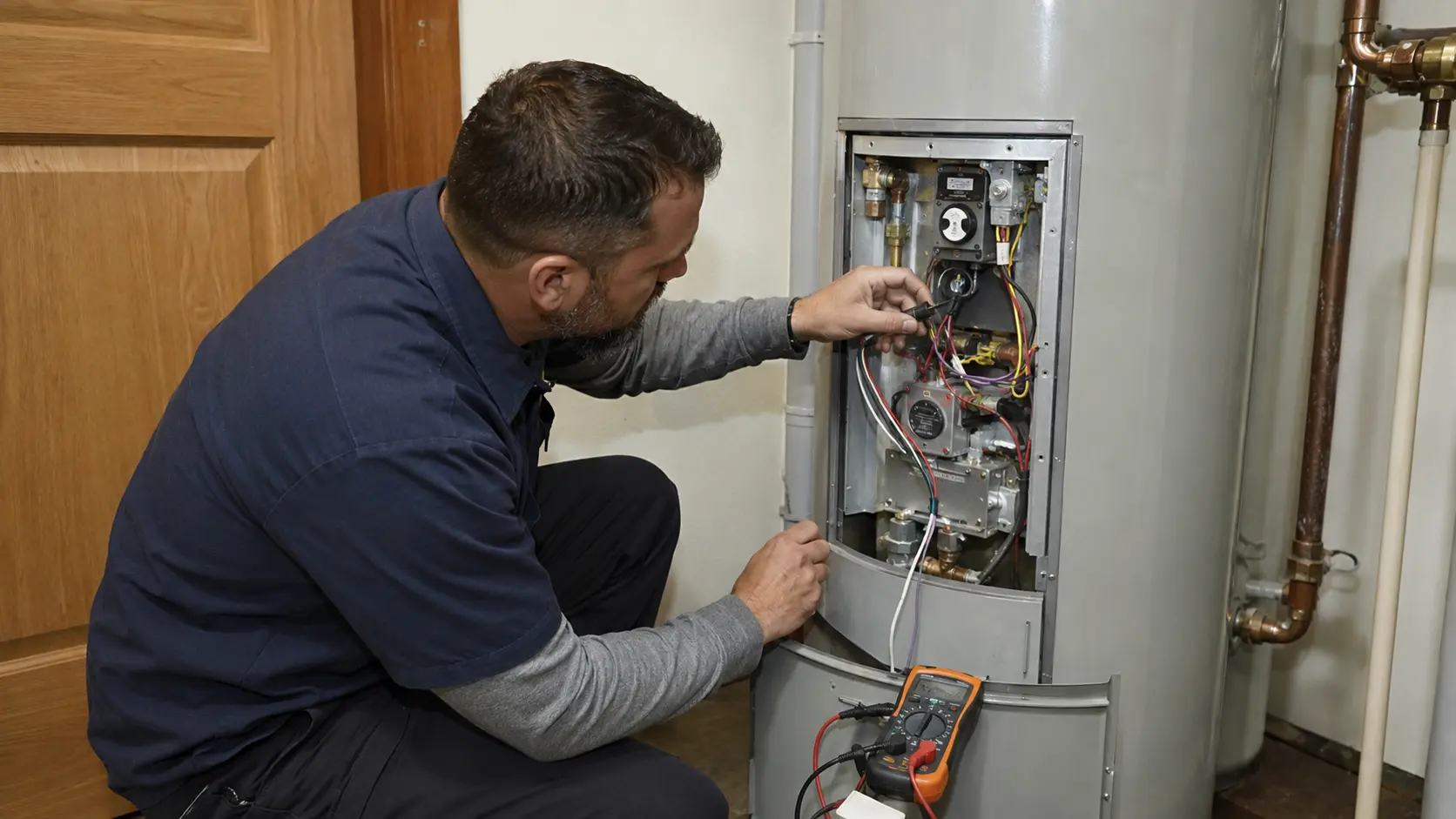
Call for immediate service if the water heater is leaking heavily, water is reaching wiring or electrical components, the unit is overheating, steam is escaping, or the tank is visibly deformed. In these situations, stop using the water heater until a professional can inspect it.
Do not try to disassemble the water heater yourself. This can result in electric shock, burns, or further damage to the unit.
Your Water Bill Increased Without a Clear Reason
If you notice an unexplained increase in water usage, check for visible leaks and make sure the water meter stops moving after all faucets and fixtures are turned off. If the meter continues to register usage and you can’t find the source, contact a plumber to check for a hidden problem.
A hidden water leak can gradually damage walls, floors, and ceilings, promote mold growth, weaken building materials, and go unnoticed for months.
Your Water Is Discolored or Visible Pipes Show Corrosion
Yellow-brown or cloudy water can sometimes appear after water main work, but it usually clears quickly. If the discoloration persists, the cause may be corroded pipes, a water heater issue, or a problem with the municipal water supply.
Check whether the discolored water comes from all faucets or only from the hot water. If the color persists, there is an unpleasant odor, or you notice rust, moisture, or buildup on the pipes, contact a plumber for an inspection.
Tell us what happened, which fixtures are affected, whether water is still running, whether you were able to shut it off, and your address.
We’ll let you know what to do next and whether you need an emergency plumber.
FAQ
Yes, if the leak is minor, you can contain it, and the water can be completely shut off. If you can’t stop the water or it is spreading into walls, floors, ceilings, or electrical wiring, call an emergency plumber.
Yes, you can use a chemical drain cleaner, but it shouldn’t be used regularly. Harsh chemicals don’t always address the underlying cause of a clog and, if used incorrectly, it may damage certain types of pipes. If you’ve already used a drain cleaner, let the plumber know before they start working.
It depends on the type and extent of the problem. Before starting any work, we inspect the issue, explain the available repair options, and provide the cost.