
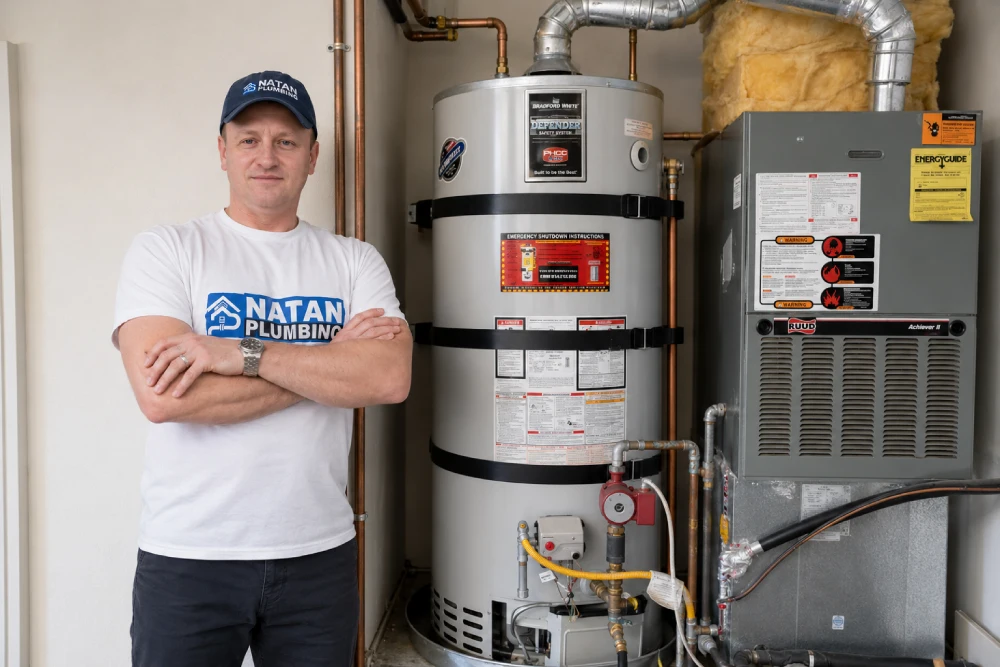
Headlines make it sound like every gas water heater is suddenly illegal. The real Bay Area rule is narrower: existing units can usually stay, but replacement planning is changing fast.
- Existing gas water heaters do not need to be removed immediately.
- The current BAAQMD schedule starts with small water heaters under 75,000 BTU/hr in 2027.
- Draft July 2026 amendments would delay the first small-water-heater deadline to 2028 if adopted.
- Tankless and larger water heaters are generally on a later timeline.
- Do not plan around a gas zero-NOx replacement unless a certified product is actually available when you replace the unit.
- If your unit is old, plan before it leaks or fails.
Is California Really Banning Gas Water Heaters?
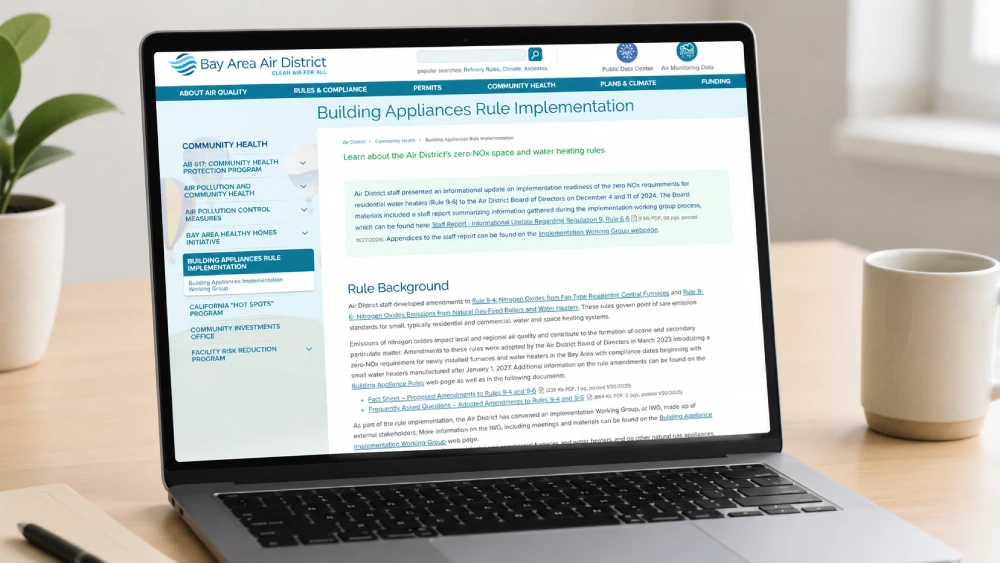
There is no final statewide California rule that forces every homeowner to remove an existing gas water heater. The rule that matters most for Bay Area homeowners is local: BAAQMD Rule 9-6. It sets zero-NOx standards for new water heaters in the Bay Area Air District jurisdiction. That is why searches for “California water heater law 2027” often lead to Bay Area guidance, even though the statewide CARB process and the Bay Area Air District rule are separate.
For Redwood City, San Mateo County and Peninsula homeowners, the practical question is not “Do I need to remove my current unit today?” It is “What should I plan for when this unit eventually needs replacement?” If the unit is already leaking or unreliable, start with water heater repair and replacement in Redwood City rather than guessing from headlines.
What BAAQMD Rule 9-6 Actually Says
BAAQMD Rule 9-6 addresses emissions from natural gas-fired water heaters and boilers. The 2023 amendments created future zero-NOx requirements for new water-heating equipment, with different dates depending on size and equipment category.
The key homeowner point: the rule applies when new equipment is sold, manufactured after the implementation date, or installed as a replacement. It does not retroactively ban an already installed water heater that is still safe to operate.
2027, 2028, 2029, 2031 or 2033? Current Timeline
| Equipment category | Current official schedule | July 2026 proposed update | Homeowner meaning |
|---|---|---|---|
| Small water heaters under 75,000 BTU/hr | Jan. 1, 2027 | Proposed delay to Jan. 1, 2028 | Plan ahead if your unit is old, but do not panic-replace a healthy unit. |
| Furnaces | Jan. 1, 2029 | No water-heater change from this date | Separate heating-equipment topic; mention only for context. |
| Larger water heaters, including many tankless/commercial units | Jan. 1, 2031 | Reported proposed flexibility may affect larger commercial timelines; verify final rule | Do not assume every tankless unit has the same deadline. |
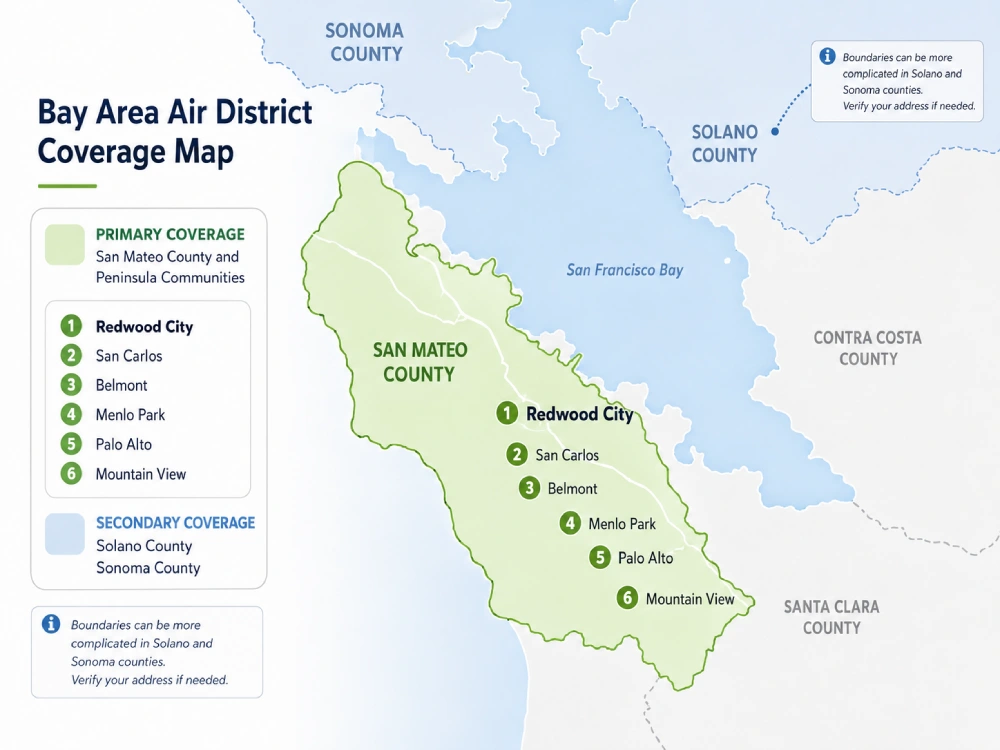
Which Bay Area Areas Are Covered?
Do You Have to Replace Your Existing Gas Water Heater?
No. A working gas water heater does not need to be removed simply because the compliance date arrives.
Existing equipment is generally “grandfathered” in the practical homeowner sense: if it was already installed and can still operate safely, the rule does not require immediate demolition or replacement. Routine diagnosis, maintenance and many component-level repairs may still be possible.
- Leaking tanks are usually replacement candidates.
- Unsafe operation should be addressed immediately.
- Heavy corrosion or missing parts can make repair impractical.
- Voluntary replacement after the deadline must follow the rule in effect at that time.
What Happens If Your Gas Water Heater Fails After the Deadline?
If it is repairable, repair may still be possible; the rule does not force replacement of every fixable unit. Start with diagnosis, not assumptions. If the problem is repairable, repair may be possible. If the tank itself is leaking or the equipment is unsafe, replacement is usually more likely.
When replacement is required, the new water heater will need to meet the rule in effect at that time unless an applicable exemption is available. In practice, the most common compliant replacement will likely be electric, especially a heat pump water heater.
Does the Rule Apply to Tankless Gas Water Heaters?
Usually on a later timeline, depending on BTU/hr and equipment category.
The first small-water-heater deadline focuses on units under 75,000 BTU/hr, which are commonly residential tank water heaters. Many tankless gas water heaters have higher BTU/hr ratings and fall into a later category. The correct answer depends on the model’s BTU/hr rating, equipment category, manufacturing date, installation timing and final rule language.
Before You Replace: Bay Area Homeowner Readiness Checklist
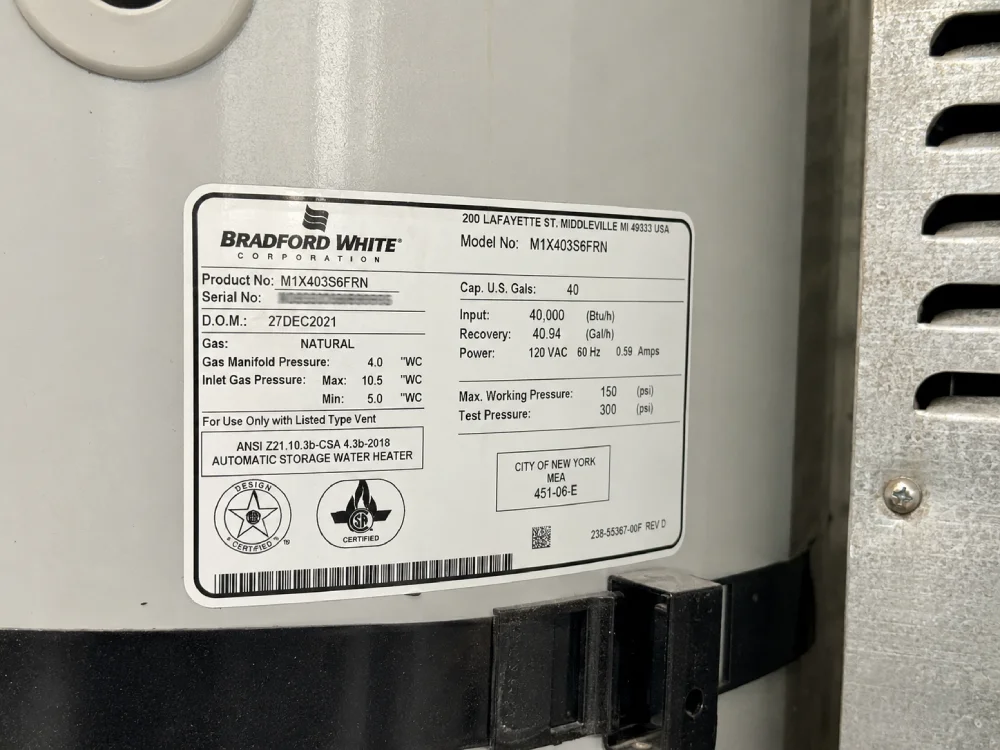
- Water heater age. Find the manufacture date and look for corrosion, noise, leaks or unreliable hot water.
- Installation space. Heat pump water heaters may need more clearance, air volume or a different location.
- Electrical capacity. Some homes need load review, a new circuit, load management or panel work.
- Condensate drain. Heat pump water heaters produce condensate that must be routed properly.
- Hot water demand. Tank size and first-hour rating should fit the household.
- Seismic setup. California installations need secure strapping and code-compliant setup.
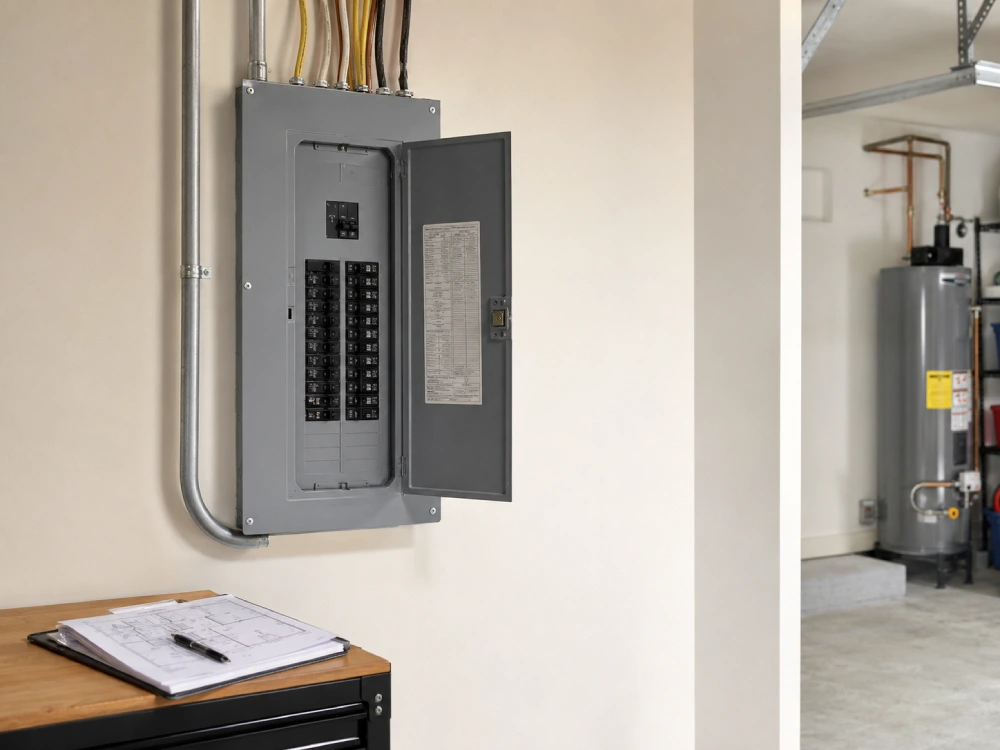
Heat Pump Water Heaters: The Most Likely Replacement Option
A heat pump water heater pulls heat from surrounding air and transfers that heat into the water tank. Many models also include backup electric elements for periods of higher demand.
Heat pump water heaters can be efficient, but installation conditions matter: space, air volume, condensate drainage, noise, recovery speed, electrical capacity and household hot-water demand.
| Feature | 120V heat pump water heater | 240V heat pump water heater |
|---|---|---|
| Electrical setup | May reduce panel work in some homes, depending on model and circuit | Usually needs a dedicated 240V circuit |
| Recovery speed | Often slower; sizing matters | Typically stronger recovery with backup elements |
| Best fit | Moderate demand and panel constraints | Larger households or higher hot-water demand |
Should You Replace Now or Wait?
- Under 5 years old. Keep normal maintenance and track age.
- 5-8 years old. Inspect for early corrosion and start learning replacement options.
- 8-12+ years old. Consider a professional assessment and plan before emergency failure.
- Leaking or unreliable. Schedule diagnosis now. Replacement may be more likely.
What Natan Plumbing Recommends for Redwood City and Peninsula Homes
If your gas water heater is working safely, you do not need to remove it immediately. If it is older, unreliable or close to replacement age, get the installation conditions checked now.
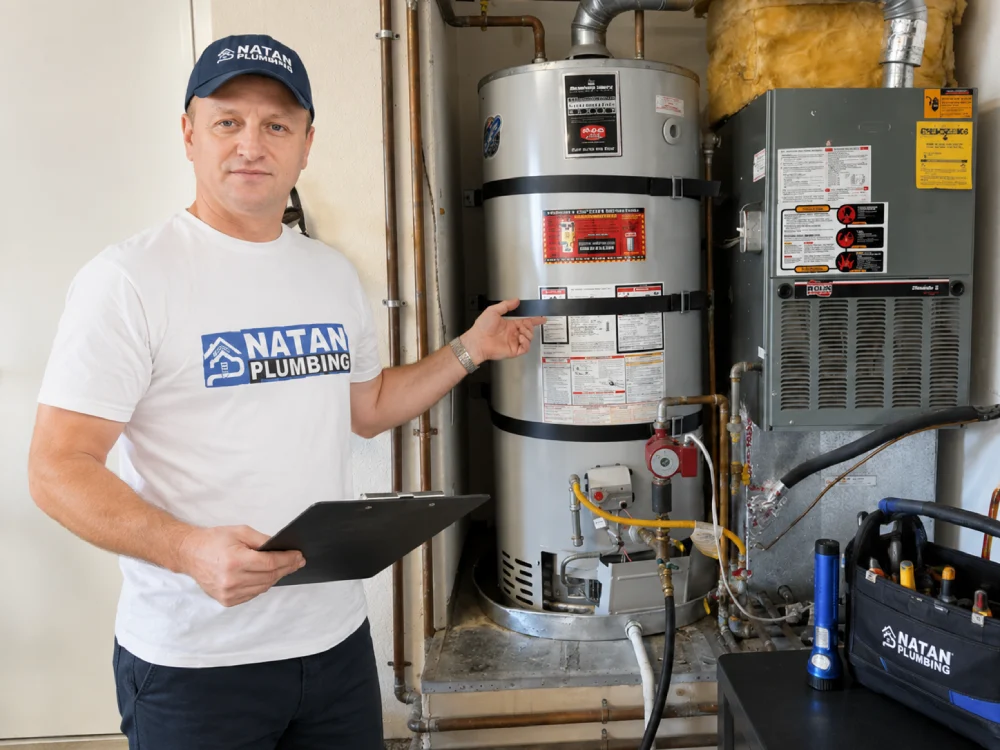
Natan Plumbing can help with water heater diagnosis, repair-vs-replacement guidance, removal of old units, plumbing connections, condensate routing and installation planning. Electrical panel and circuit work should be handled by a qualified electrical professional where required.
If replacement involves gas line disconnection or changes, confirm the scope before work begins. For gas-side work, route users to the appropriate gas line work page only when that scope is actually relevant.
FAQ
Not statewide. The Bay Area Air District has adopted zero-NOx requirements for new water heaters in its jurisdiction, with the first small-water-heater compliance date currently listed as 2027. A July 2026 draft amendment proposes delaying that first date to 2028 if adopted.
Not final yet. In July 2026, the Air District released draft amendments that would delay the small residential water-heater deadline from January 2027 to January 2028. Until adopted, homeowners should treat 2028 as proposed, not final.
Yes, if it is already installed and can operate safely. The rule does not require immediate removal of working gas water heaters. Replacement matters when a new unit is installed after the applicable compliance date.
In many cases, yes. A plumber can diagnose and repair existing equipment when the repair is safe and practical. If the tank is leaking, severely corroded or unsafe, replacement may be the better or necessary path.
Usually on a later timeline, depending on the model’s BTU/hr rating and equipment category. Homeowners should verify the specific model and current rule language before assuming.
A zero-NOx water heater meets a standard for no nitrogen oxide emissions at the appliance. In practice, currently available compliant options are commonly electric, especially heat pump water heaters, but the rule is based on emissions rather than the word “electric.”
The July 2026 draft amendments discuss possible exemptions for difficult installations, including space and ventilation constraints. Those exemptions are not final until adopted. A homeowner should first document the installation conditions and check the current rule.
Panel capacity is one of the key planning issues. Possible solutions may include a 120V heat pump water heater, load management, a new circuit or panel work. Electrical work should be evaluated by a qualified electrical professional.
Not automatically. If the unit is working well and not near failure, panic replacement is usually not the goal. If it is 8-12+ years old, leaking, rusty, noisy or unreliable, planning ahead can prevent a rushed emergency decision.
Start with a water heater assessment for repair, replacement, location, tank sizing, plumbing connections and condensate routing. If the chosen replacement needs new electrical capacity, a qualified electrical professional should evaluate panel and circuit requirements.