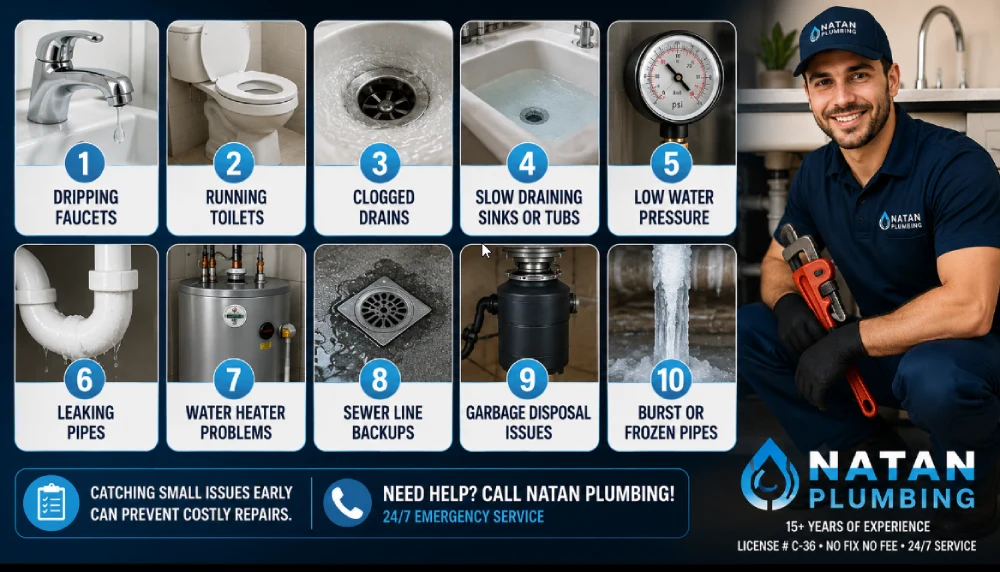
Common plumbing problems often begin with small warning signs, such as a dripping faucet, slower drainage, lower water pressure, or unexplained moisture. Spotting these changes early can help reduce water waste and prevent avoidable damage.
This guide covers 10 common plumbing problems, the signs to watch for, what homeowners can safely check, and when it is time to call a professional plumber.
What Are the Most Common Plumbing Problems in a Home?
The problems below often begin with small changes in how a fixture or plumbing system works. A single dripping faucet may be a localized issue, while low pressure or slow drainage throughout the home may point to a broader system problem.
Each section explains the early signs to watch for, what homeowners can safely check, and which plumbing service may be needed if the problem continues.
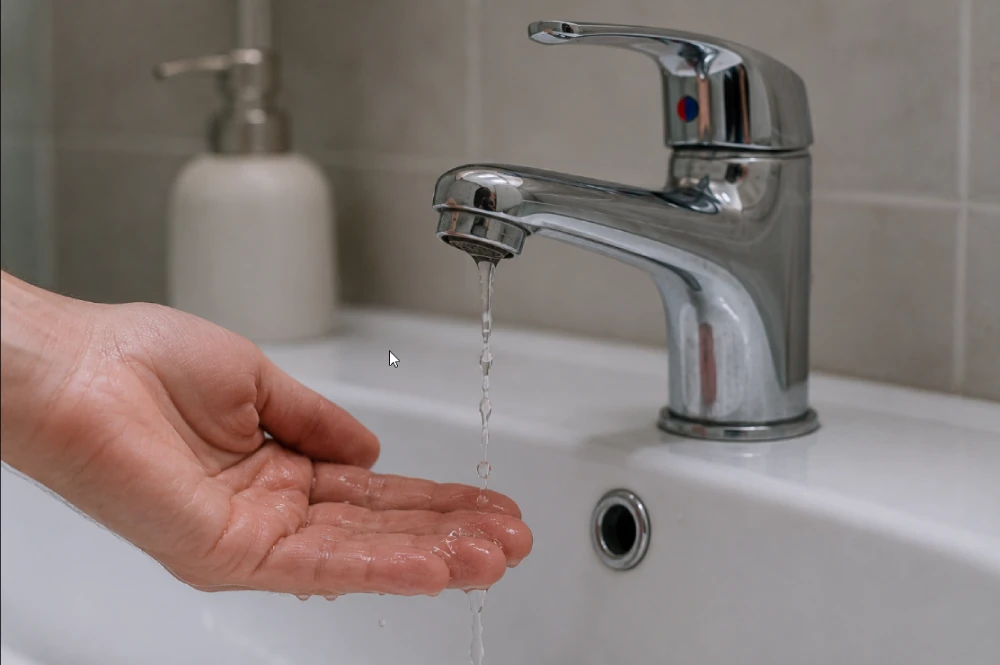
1. Dripping Faucets
A faucet that continues to drip after the handle is fully closed usually has a worn or damaged internal component. Depending on the faucet type, the cause may be a cartridge, washer, O-ring, valve seat, or loose connection. Moisture around the base of the fixture may also point to a leak beneath the faucet rather than from the spout itself.
Check whether the handle closes normally and look for moisture around the faucet, supply lines, and cabinet below. Mineral buildup around the aerator can sometimes restrict flow, but a persistent drip usually requires repair rather than cleaning alone.If the faucet continues to leak, becomes difficult to operate, or leaves water beneath the sink, schedule professional faucet repair or replacement
EPA WaterSense identifies worn faucet components and connections as common sources of household leaks.
Low water pressure may appear as a weak stream from a faucet, poor shower performance, or appliances taking longer than usual to fill. First, determine whether the problem affects one fixture, several fixtures, or the entire home.
If only one faucet has low flow, check the aerator for mineral buildup and compare the hot and cold water. Low pressure throughout the property may be related to a partially closed main valve, a faulty pressure regulator, corrosion inside older pipes, a hidden leak, or a problem with the municipal water supply.
Ask whether nearby homes are experiencing the same issue. If the pressure remains low throughout the house or drops suddenly without explanation, a professional pipe and water supply inspection can help identify the source.
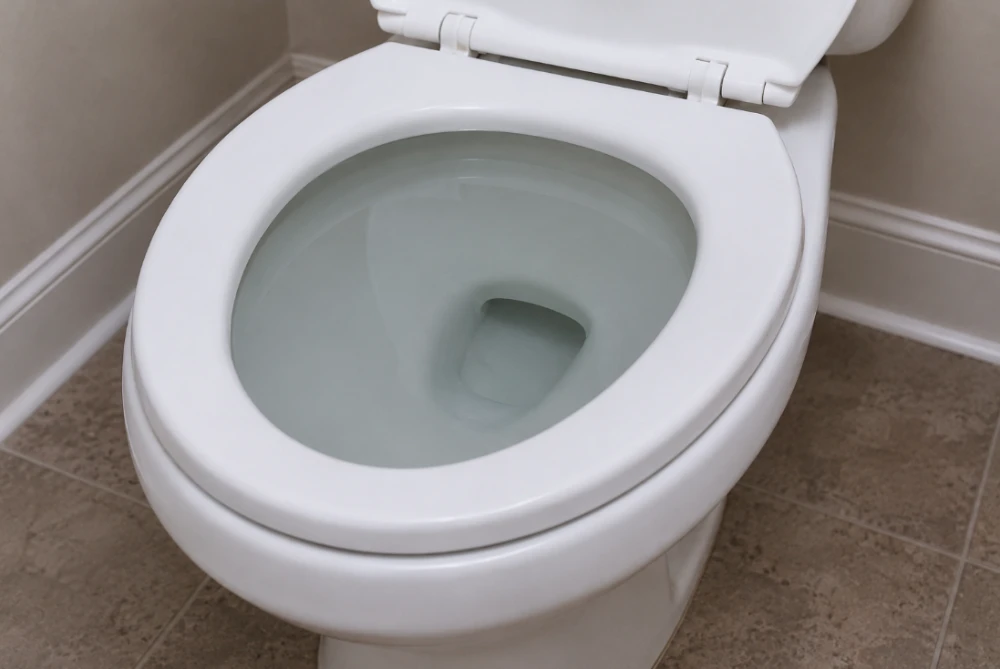
A toilet that continues to run after flushing may produce a constant water sound, refill unexpectedly, or send water continuously into the bowl. Common causes include a worn flapper, a faulty fill valve, an incorrectly adjusted float, or a chain that prevents the flapper from sealing properly.
Homeowners can perform a simple leak check by adding a few drops of food coloring to the tank and waiting about 10 minutes without flushing. If colored water appears in the bowl, water is leaking from the tank. Flush immediately afterward to prevent staining.
If the toilet continues running, repeatedly refills, leaks around the base, or does not flush properly, arrange toilet repair and inspection before the problem leads to unnecessary water use or damage around the fixture.
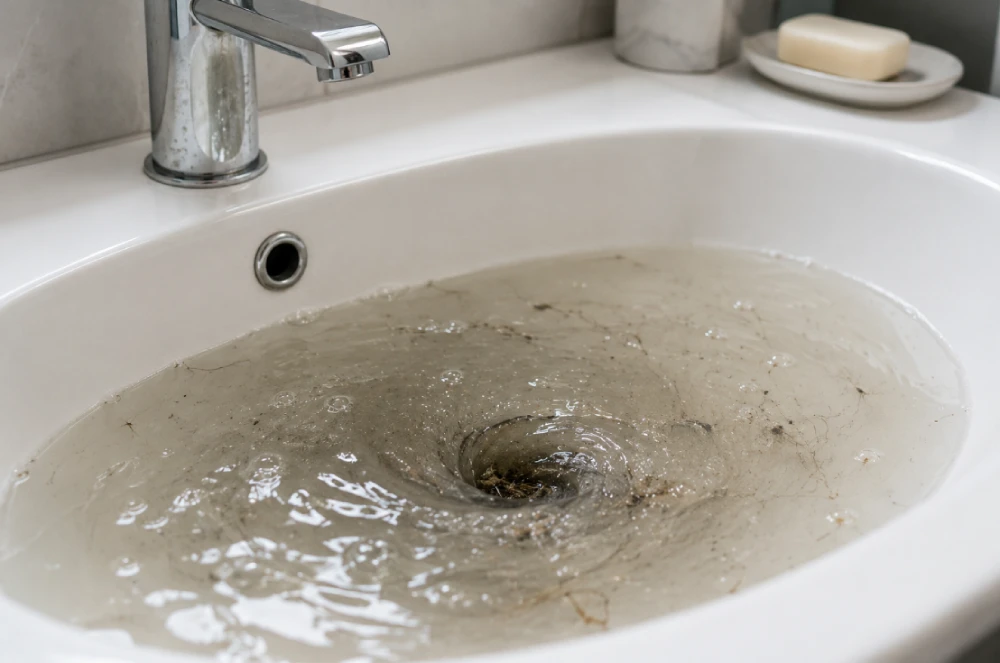
A slow drain usually begins with water collecting around the drain opening or taking longer to leave a sink, shower, or bathtub. Bathroom drains commonly collect hair, soap residue, and personal care products, while kitchen drains are more likely to be affected by grease and food debris.
Remove visible debris from the drain stopper and use a plunger for a simple clog affecting one fixture. Avoid mixing chemical drain cleaners or repeatedly pouring aggressive products into the pipe, since they may not remove the source of the blockage.
If the same clog returns, water stops draining completely, or several fixtures become slow at the same time, the problem may be deeper in the drainage system. In that case, professional drain cleaning and unclogging may be required.
5. Leaking Pipes
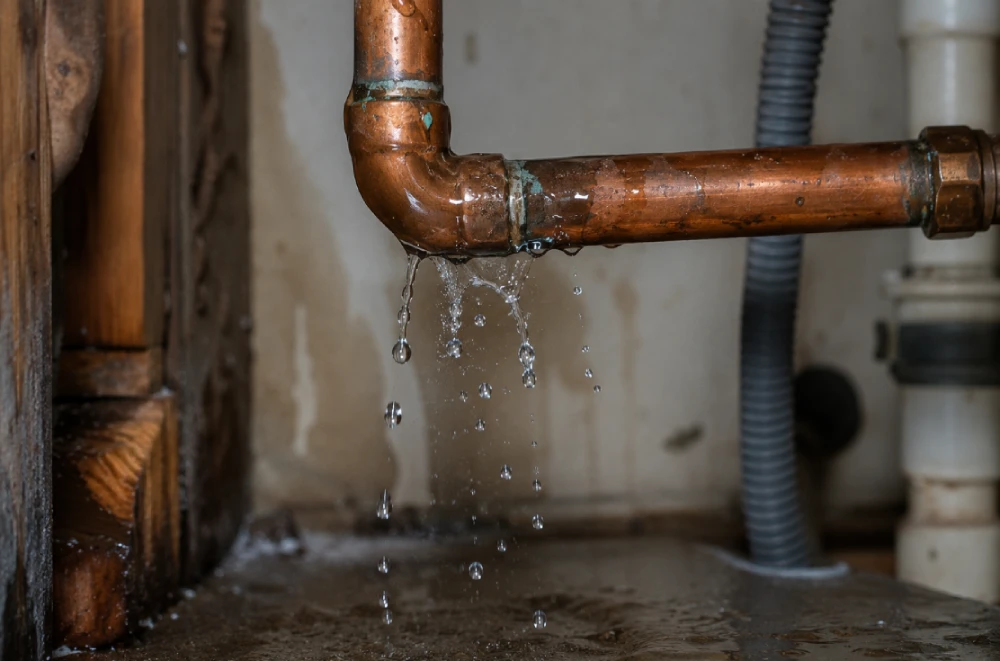
Early signs of a leaking pipe can include damp areas on walls or ceilings, peeling paint, musty odors, moisture inside cabinets, reduced water pressure, or the sound of running water when no fixture is in use. Hidden leaks may also cause unexpected changes in water consumption.
Look for visible moisture around exposed pipes, fittings, appliance connections, and areas beneath sinks. If water is actively spreading, close the nearest shut-off valve. Use the main water shut-off valve if the leak cannot be isolated safely.
Keep away from electrical outlets, wiring, and appliances near the water. Do not open walls or ceilings to search for the damaged pipe. For moisture without a visible source, arrange professional leak detection and repair.
6. Water Heater Problems
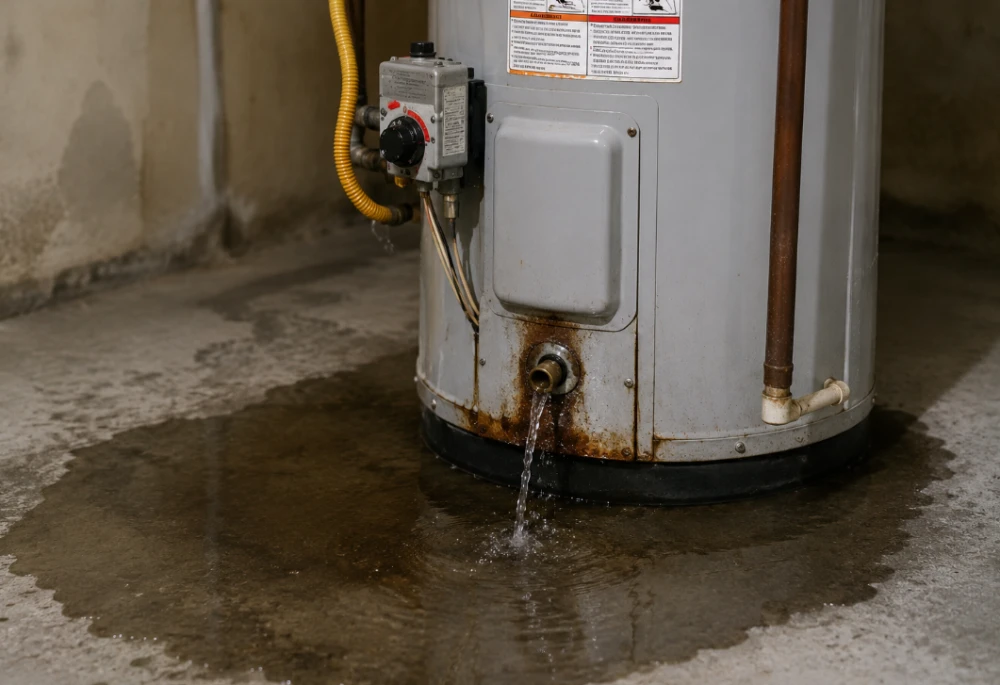
Common water heater warning signs include no hot water, unstable temperatures, unusually long heating times, popping or rumbling noises, recurring error codes, rusty hot water, or visible moisture near the unit. The cause may involve sediment buildup, a thermostat or heating element, ignition components, a leaking connection, or damage to the tank.
Homeowners can note the error code, compare current performance with normal operation, and check for visible water without removing access panels. Do not disassemble electrical, gas, or combustion components.
If the unit leaks, repeatedly shuts down, or no longer provides reliable hot water, schedule water heater inspection and repair.
If you smell natural gas, leave the area immediately. Do not use switches, appliances, flashlights, or a phone until you are a safe distance away. Call 911 and then PG&E.
7. Sewer Line Problems and Backups
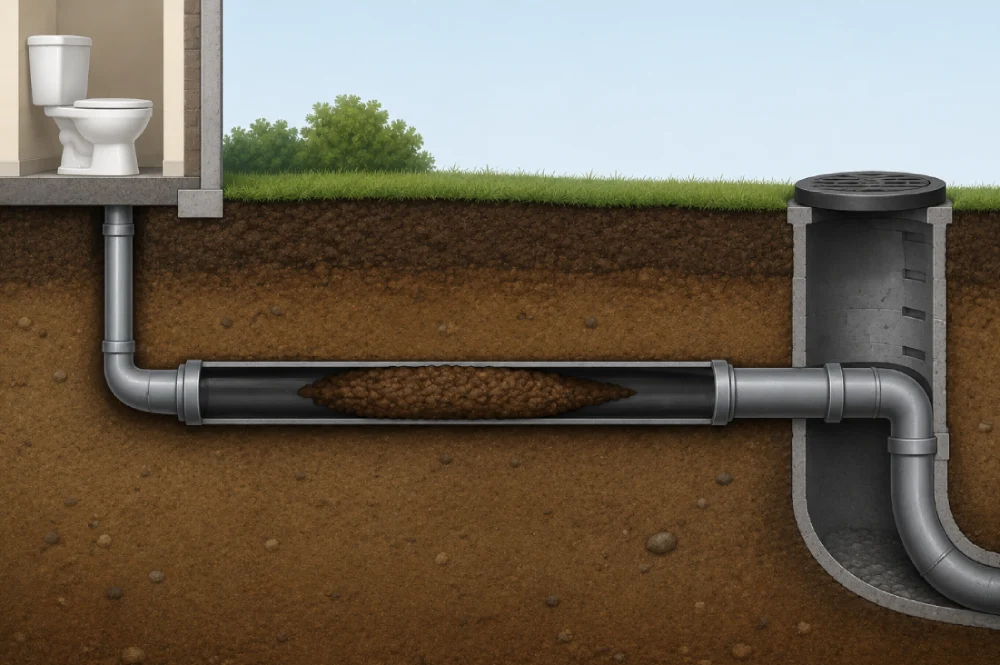
A main sewer line problem can affect several plumbing fixtures at the same time. Warning signs include multiple slow drains, a gurgling toilet, persistent sewage odors, or wastewater appearing in a bathtub, shower pan, or floor drain.
The cause may be a deep blockage, grease or wipes inside the line, tree-root intrusion, pipe displacement, cracks, or a collapsed section. One slow sink is more likely to be a local drain problem; several affected fixtures suggest that the obstruction may be farther downstream.
If wastewater enters the property, stop using toilets, sinks, showers, washing machines, and dishwashers. Keep children and pets away and avoid direct contact. Arrange a sewer line inspection. If sewage is actively backing up into the building, request emergency plumbing service.
8. Garbage Disposal Problems
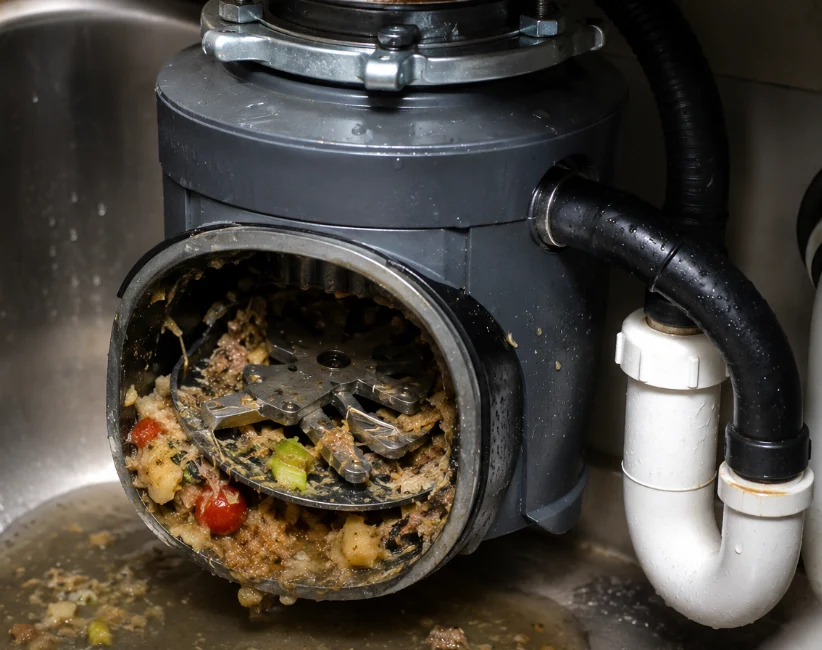
A garbage disposal may fail to start, hum without turning, make metallic noises, drain slowly, or produce a persistent odor. Water beneath the sink can indicate a leak from the disposal body, mounting assembly, drain connection, or nearby supply line.
Turn the disposal off and stop using it if you notice smoke, a burning smell, unusual noise, or leaking water. Never put your hands inside the unit, even when it appears to be switched off. Do not pour chemical drain cleaner into the disposal.
A unit that hums without rotating may be jammed or overloaded, while repeated shutdowns can point to an electrical or motor problem. If the disposal problem is accompanied by slow drainage or recurring backups, professional drain cleaning may also be necessary.
9. Corroded or Aging Pipes
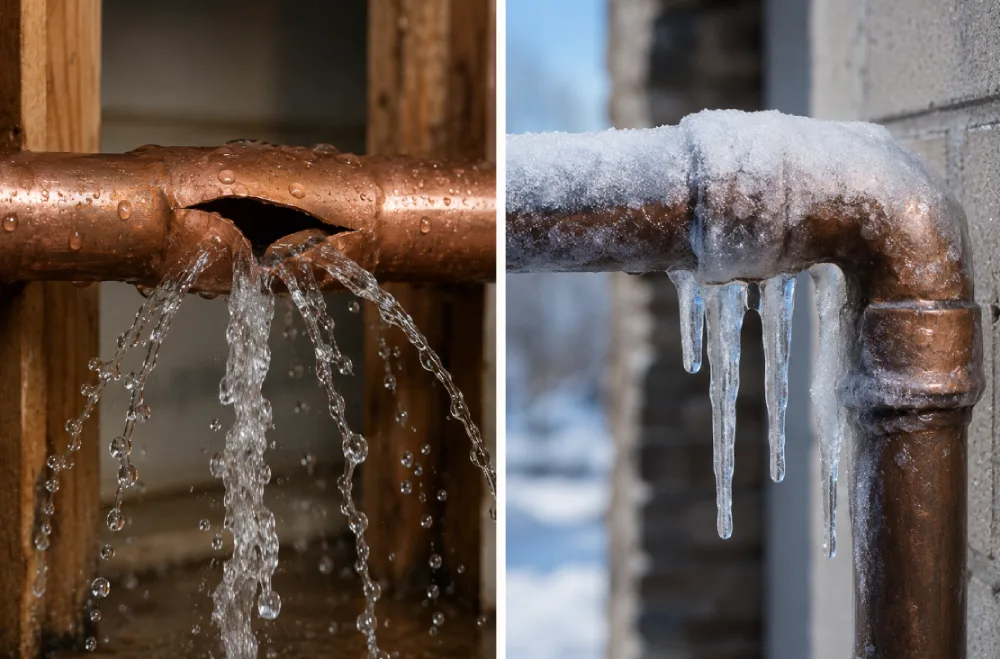
Older pipes may begin to show corrosion, discoloration around fittings, recurring pinhole leaks, reduced water pressure, or rust-colored water. The symptoms can vary depending on the pipe material, water conditions, and location of the damaged section.
Check visible pipes beneath sinks, near the water heater, and in accessible utility areas. Look for green, white, brown, or rusty deposits, damp connections, and previous repair marks. Compare the hot and cold water: discoloration limited to hot water may be related to the water heater, while discoloration from both sides may require a broader inspection.
Do not scrape or disturb a heavily corroded pipe. If corrosion is widespread, leaks keep returning, or pressure continues to decline, professional pipe repair or replacement may be needed.
10. Damaged or Burst Pipes
A burst pipe may cause a sudden loss of water pressure, the sound of water inside a wall, rapidly spreading stains, or visible water entering a room. Unlike gradual corrosion or a small fixture leak, this problem requires immediate action to limit property damage.
Shut off the main water supply as soon as it is safe to do so. Move valuables away from the affected area and keep clear of electrical outlets, wiring, appliances, and standing water. Do not open walls or ceilings or attempt to patch a pressurized pipe.
Request emergency plumbing service if water is actively spreading or the damaged section is hidden inside the building. After the water is controlled, pipe repair or replacement may be required to restore the affected section.
Similar symptoms can have different causes. Low water pressure, slow drainage, unusual sounds, or visible moisture may involve a single fixture or a larger plumbing system issue. Natan Plumbing can inspect the affected area, identify the source, and explain the appropriate repair options.
How to Help Prevent Common Plumbing Problems
Locate the main water shut-off valve and keep the area around it accessible. Knowing how to stop the water quickly can limit damage from a leaking or burst pipe.
Periodically look beneath sinks and around toilets, appliances, and exposed pipes. Watch for moisture, corrosion, musty odors, running toilets, and unexpected changes in water pressure.
Use strainers in sinks, showers, and bathtubs to catch hair and debris. Keep grease, food scraps, wet wipes, and hygiene products out of the drainage system, and avoid repeated use of chemical drain cleaners.
A clog, leak, pressure change, or unusual plumbing noise that keeps returning may indicate a deeper issue. Arrange an inspection when a basic check does not resolve the symptom or several fixtures are affected.
F&Q
Homeowners can perform basic checks without taking fixtures or pipes apart. You can look for visible moisture, compare water pressure at different faucets, check whether several drains are affected, and confirm that the main shut-off valve is accessible. Repairs involving gas, electricity, hidden pipes, sewer lines, or active leaks should be handled by a licensed plumber.
Recurring clogs may be caused by grease, hair, soap buildup, wipes, or debris deeper in the drain line. If several drains slow down or back up at the same time, the problem may be in the main sewer line. Professional drain cleaning or a sewer camera inspection can identify the actual source.