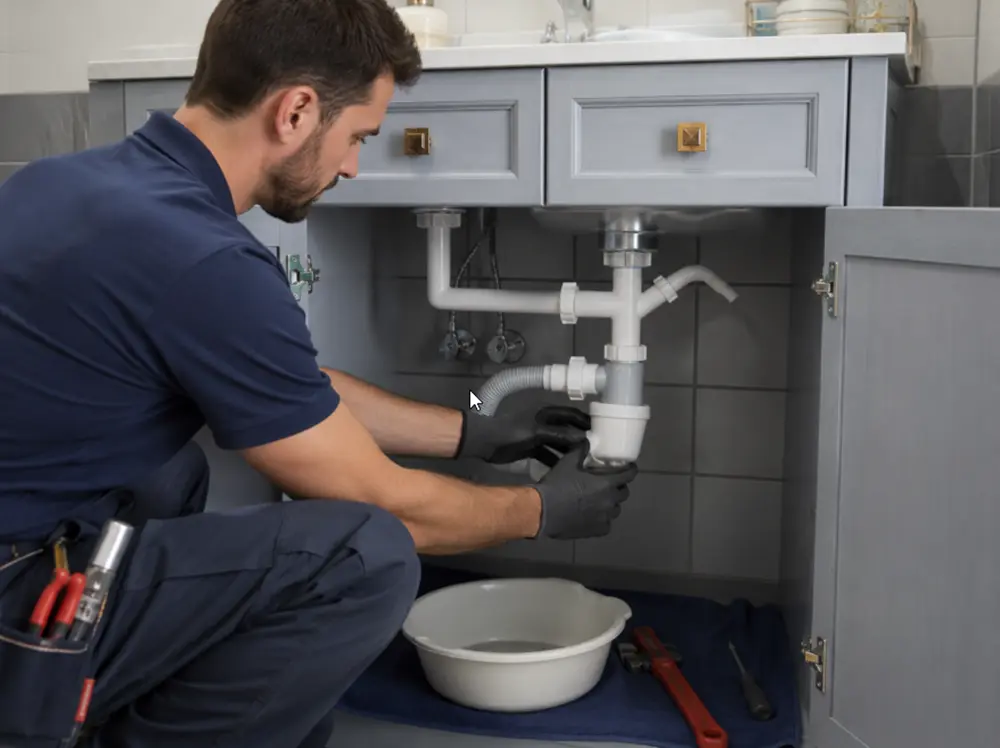
Many household drain clogs develop gradually as grease, food particles, hair, wipes, and other debris collect inside the plumbing system. The steps below can help protect kitchen, bathroom, and toilet drains—and show when a recurring problem may require professional service.
Quick Answer: How to Prevent Drain Clogs
Most drain clogs are easier to prevent than remove. Keep grease, food waste, hair, wipes, and other debris out of the plumbing system, and pay attention when water begins to drain more slowly.
| What to Do | How Often | Why It Helps |
|---|---|---|
| Remove grease and food scraps before washing dishes | After cooking and before each wash | Grease and food particles can collect inside kitchen drainpipes and gradually restrict water flow. |
| Use drain strainers and hair catchers | During everyday use | They catch hair, food particles, and other debris before it enters the drain. |
| Clean strainers, stoppers, and drain covers | Weekly or whenever debris is visible | Regular cleaning prevents buildup near the drain opening. |
| Flush only toilet paper and human waste | At all times | Wipes, paper towels, and hygiene products break down more slowly and may block the toilet or sewer line. |
| Watch for changes in drainage speed | During normal use | A slow drain is often an early sign that buildup is forming inside the pipe. |
| Arrange service when clogs return or affect several fixtures | As soon as symptoms repeat | Recurring or widespread drainage problems may involve deeper buildup, damaged pipes, or the sewer line. |
What Causes Most Drain Clogs?
| Common Cause | Where It Builds Up | Why It Causes a Clog |
|---|---|---|
| Grease and oil | Kitchen drainpipe | It cools, coats the pipe walls, and traps food particles. |
| Hair and soap residue | Bathroom drains | Hair tangles with soap residue and gradually restricts water flow. |
| Wipes | Toilet and sewer line | They break down more slowly and can collect around existing buildup. |
Good household habits can prevent many localized drain clogs. However, a blockage that repeatedly returns in the same fixture may require professional drain cleaning and unclogging. If several drains become slow, sewer odors develop, or wastewater backs up, the problem may involve the main sewer line.
How to Prevent Drain Clogs in Different Areas of Your Home
Different drains collect different types of debris. Kitchen sinks are more likely to develop grease and food buildup, while bathroom drains collect hair, soap residue, and personal care products. Toilets usually clog when items that do not break down like toilet paper are flushed.
Prevent Kitchen Sink Clogs
Scrape food scraps from plates before washing them and use a sink strainer to catch small particles. Pour cooled cooking oil and grease into a separate container instead of rinsing them down the sink.
Keep coffee grounds, flour, rice, pasta, eggshells, and thick sauces out of the drain. These materials may settle inside the pipe, absorb water, or combine with grease to form dense buildup.
A garbage disposal can break food into smaller pieces, but it does not prevent grease or food residue from collecting inside the drainpipe.
Prevent Shower, Tub, and Bathroom Sink Clogs
Use a hair catcher in showers and bathtubs and clean it whenever debris becomes visible. Hair can quickly combine with soap scum, body oils, and personal care products near the drain opening or inside the P-trap.
Remove visible hair from bathroom sink stoppers and drain covers regularly. Avoid rinsing thick cosmetics, wax, dental floss, cotton products, or other solid materials into bathroom drains.
If one bathroom drain begins to empty more slowly, remove visible buildup before the pipe becomes completely blocked.
Prevent Toilet and Sewer Line Clogs
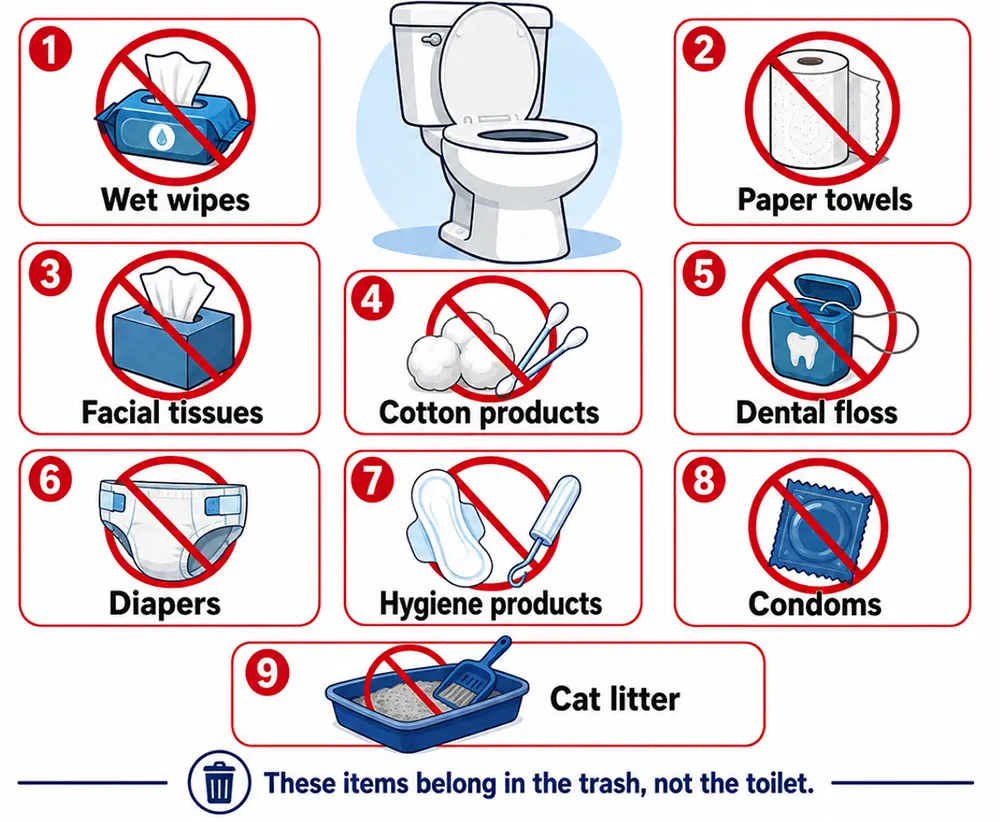
Flush only toilet paper and human waste. Wet wipes, paper towels, cotton pads, hygiene products, dental floss, and cat litter should always go in the trash.
Products labeled “flushable” may still break down more slowly than toilet paper. They can become trapped inside the plumbing system and combine with grease or other debris, increasing the risk of a sewer line blockage.
If several fixtures become slow, toilets begin to gurgle, or wastewater appears in a shower or floor drain, the problem is unlikely to be caused by normal surface-level buildup.
Are Chemical Drain Cleaners Safe for Routine Use?
Harsh chemical drain cleaners should not be used as routine preventive maintenance. They may partially dissolve buildup without removing the main blockage, and repeated use may create additional risks for older pipes, joints, and seals.
Never mix different drain-cleaning products, exceed the manufacturer’s instructions, or add another chemical when the first product does not work. Do not use a chemical cleaner when wastewater is backing up or several fixtures are affected.
Enzyme-based products may help reduce light organic residue, but they cannot remove solid objects, dense hair or grease blockages, tree roots, improper pipe slopes, or damaged pipes.
If the drain remains slow or the clog returns, stop adding products and arrange professional diagnosis. Tell the plumber which product was used and when it was applied.
Follow the product label. If one application does not work, do not add a different cleaner. Tell the plumber what was used and when.
Is It a Local Drain Clog or a Sewer Line Problem?
A slow drain does not always mean the main sewer line is blocked. A localized clog usually affects one sink, shower, bathtub, or toilet. A sewer line problem is more likely when several fixtures develop symptoms at the same time.
| Warning Sign | More Likely a Local Clog | Possible Sewer Line Problem |
|---|---|---|
| Slow drainage | One sink, shower, or bathtub drains slowly. | Several fixtures drain slowly, especially those on the lowest floor. |
| Unpleasant odor | The odor comes from one drain and may be caused by buildup near the P-trap. | Sewer odors appear near several drains, toilets, or floor drains. |
| Gurgling | One drain makes noise while water passes through it. | A toilet or sink gurgles when another fixture or appliance is used. |
| Recurring blockage | The same drain becomes slow again because of nearby buildup. | The problem returns quickly or appears in several rooms. |
| Water backup | Water rises briefly inside one affected fixture. | Wastewater appears in a shower, bathtub, or floor drain when another fixture is used. |
When Should You Call a Plumber for a Drain Problem?
- The drain remains slow after visible debris has been removed;
- The clog repeatedly returns;
- Water stops draining completely;
- Several fixtures are affected;
- Gurgling or sewer odors persist;
- Wastewater backs up into a shower, bathtub, or floor drain.

If only one drain is affected, remove visible debris and try a plunger when it is safe to do so. If the drain remains slow or the clog returns, professional drain cleaning and unclogging can help locate and remove buildup deeper inside the pipe.
If several drains become slow, sewer odors persist, or fixtures gurgle when other plumbing is used, schedule a sewer line inspection. These symptoms may indicate a deep blockage, tree-root intrusion, pipe displacement, or structural damage.
If wastewater is actively backing up into the home, stop using toilets, sinks, showers, washing machines, and dishwashers, and request emergency plumbing service.
FAQ
Keep grease, food scraps, coffee grounds, hair, wet wipes, and other non-dissolvable materials out of the drains. Use drain strainers, clean them regularly, and pay attention to any reduction in drainage speed. Simple household habits prevent most localized clogs more effectively than the routine use of chemical drain cleaners.
Check strainers, stoppers, and drain covers weekly or whenever visible debris collects. Showers, bathtubs, and frequently used kitchen sinks may need more frequent attention. Professional drain cleaning does not need to follow a universal schedule; it is usually considered when clogs, odors, gurgling, or slow drainage repeatedly return.
Do not pour cooking oil, grease, thick sauces, coffee grounds, flour, dough, or food scraps down the kitchen sink. Rice and pasta may absorb water, while grease can cool and collect inside the drainpipe. A garbage disposal breaks food into smaller pieces but does not make grease or large amounts of food waste safe for the drain.
Yes. Wipes labeled “flushable” may break down more slowly than toilet paper and can become trapped inside household pipes or the sewer line. When combined with grease and other debris, they may contribute to dense blockages. Flush only toilet paper and human waste.
Baking soda and vinegar are not a reliable way to prevent serious drain clogs. They may help with minor odors or surface residue, but they will not remove dense hair buildup, grease deposits, solid objects, tree roots, or damaged pipes. Never combine them with a commercial drain-cleaning product.